Web designing in a powerful way of just not an only professions. We have tendency to believe the idea that smart looking .

Supermarket POS Software in Pune: 7 Powerful Ways To Streamline Retail Operations

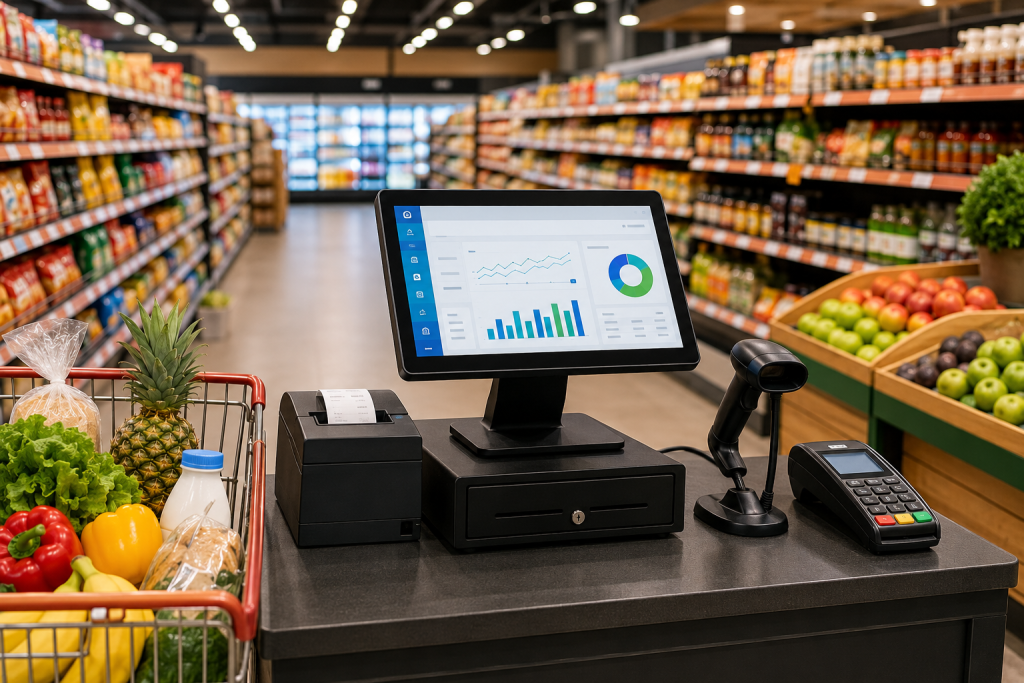
Running a supermarket involves much more than generating bills. Store owners need to manage thousands of products, barcode scanning, stock movement, purchases, pricing, discounts, customer transactions, multiple billing counters, and daily sales reporting. Supermarket POS software in Pune can bring these operations together in one organized system, helping supermarket owners reduce manual work and gain better control over everyday activities.

For supermarkets operating in Pune, the right POS solution should be practical for high-volume retail, easy for billing staff to use, flexible enough to handle different product categories, and capable of supporting accurate inventory management. PAIT BIZ Systems provides retail-focused POS solutions designed around billing, inventory, reporting, integrations, and business-specific requirements. Its retail POS solution is built to support transaction processing, inventory management, CRM, reporting, secure transactions, and integration capabilities.

A useful supermarket POS system should not simply replace a calculator or manual billing register. It should become the operational centre of the store—connecting sales with inventory, purchases, pricing, customer information, and management reporting.

Supermarket POS Software

Why Supermarkets in Pune Need a Dedicated POS System?

A supermarket can have hundreds or thousands of SKUs moving through the store every day. Products may have different brands, sizes, units, prices, tax categories, expiry considerations, suppliers, and discount structures. Managing this information manually becomes increasingly difficult as transaction volume grows.


A dedicated POS system connects the checkout counter with the information required to operate the store efficiently. When a barcode is scanned, the system can identify the product, calculate the applicable selling price, update stock, and record the transaction. This creates a connected workflow instead of separate billing and inventory processes.


For supermarket owners, this visibility is especially valuable during busy periods. Faster product identification can reduce unnecessary waiting at checkout, while centralized records can make it easier for management to understand what is selling, what is moving slowly, and where stock needs attention.

From Billing Counter to Complete Retail Management

Modern supermarket software should go beyond invoice generation. It should help management understand the entire retail cycle—from purchasing products and receiving stock to selling items and reviewing performance.


For example, if a particular grocery product is selling faster than expected, management should be able to identify the movement and plan replenishment. Similarly, slow-moving products can be identified through reports so that pricing, promotions, or purchasing decisions can be reviewed.


This is one of the major differences between basic billing software and a full retail POS platform.

Explore PAIT BIZ Systems Retail POS System

How Supermarket POS Software in Pune Improves Daily Operations

The biggest advantage of a well-designed POS system is that it connects multiple supermarket activities into a single workflow. Instead of maintaining separate records for sales, stock, and management reporting, businesses can organize these activities through one retail platform.


PAIT’s customized supermarket solution is specifically positioned around inventory optimization, sales tracking, and streamlined checkout operations. The company also highlights the importance of managing consumable goods efficiently, which is particularly relevant for grocery and supermarket businesses.


A supermarket POS system can also create better visibility for owners and managers. Instead of waiting until the end of the day to manually calculate sales or compare stock records, management can work with system-generated information and reports.


This can help improve decision-making around purchasing, product movement, pricing, staff activity, and customer service.

1. Faster Checkout Experience

Barcode-based billing reduces repetitive manual product entry and helps staff process transactions more efficiently. Faster checkout becomes especially important during weekends, evenings, festive periods, and other high-footfall hours.

2. Better Inventory Visibility

Every completed sale can contribute to a more organized stock record. Management can use inventory information to understand product movement, identify low-stock items, and reduce unnecessary manual stock checking.

3. Improved Purchase Planning

Sales and inventory information can help supermarket owners make more informed purchasing decisions. Instead of relying entirely on assumptions, managers can review product movement and plan replenishment according to actual business activity.

4. Accurate Pricing and Discounts

Supermarkets frequently manage offers, promotional prices, and changing product rates. A structured POS system can help staff apply configured pricing consistently and reduce avoidable billing mistakes.

5. Useful Business Reports

Sales reports can provide management with a clearer view of daily and periodic performance. Reports can support decisions related to products, transactions, purchasing, inventory, and overall store activity.

6. Easier Business Expansion

When a supermarket grows from one location to additional counters or stores, operational complexity increases. A scalable POS approach can make it easier to organize retail processes and establish consistent workflows as the business expands.

What Makes Supermarket POS Software in Pune Valuable for Retailers?

The right system should solve actual supermarket problems rather than simply provide a long list of features. A useful solution should save staff time, improve information accuracy, simplify management, and make daily retail operations easier to control.


For example, billing staff need a straightforward interface because complicated software can increase training requirements and slow down transactions. PAIT states that its retail POS interface is designed to reduce training time and improve operational efficiency. At the management level, the system should provide meaningful information rather than overwhelming users with unnecessary data. Reports should help answer practical questions: Which products are selling? What stock needs attention? How are sales performing? Which operational areas require improvement?


For supermarkets with specialized requirements, customization can also be important. PAIT’s customized software offering includes a dedicated Grocery & Supermarket POS solution focused on inventory, sales tracking, checkout, and management of consumable goods.

A strong POS implementation should also consider the hardware environment. Barcode scanners, receipt printers, cash drawers, weighing equipment, computers, and other retail peripherals need to work together smoothly. The software should therefore be evaluated as part of the complete supermarket setup rather than as an isolated application.


For information about official GST-related systems and current government requirements, businesses should verify applicable rules through the official government GST ecosystem rather than relying only on software marketing material. Official GST Portal

Essential Features to Look For in Supermarket POS Software in Pune

1. Barcode-Based Billing

A supermarket handles a large number of products, making barcode scanning an important part of fast retail checkout. The POS should allow staff to identify products quickly and generate bills without repeatedly entering product information manually.

2. Real-Time Inventory Management

Inventory is one of the most important areas for a supermarket. The software should help track product movement, available quantities, sales activity, purchases, and stock-related information so management can make better replenishment decisions.

3. Multi-Counter Billing

Busy supermarkets may operate several billing counters simultaneously. A suitable system should support organized transactions across counters while giving management an overall view of store activity.

4. Sales & Management Reports

Reports turn transaction data into useful business information. Look for reporting capabilities that help analyze sales performance, product movement, inventory status, purchases, and other important retail activities.

5. Customer & Transaction Management

Customer information can become useful for businesses that want to improve service and maintain purchase records. A POS solution with customer management capabilities can provide a more structured approach to customer-related retail operations.

6. Integration & Customization

Every supermarket operates differently. Some may require accounting integration, specialized hardware, customized workflows, or industry-specific functionality. PAIT highlights integration with accounting software, e-commerce platforms, and ERP systems as part of its retail POS capabilities.

How to Choose the Right Supermarket POS Software in Pune

Selecting a POS system is a business decision, so supermarket owners should evaluate the software against their actual daily workflow rather than selecting a solution only because it has a long feature list.

Start by identifying your current operational challenges. Are billing queues taking too long? Is stock information difficult to maintain? Are purchase records disconnected from sales? Are managers spending too much time preparing reports? Are multiple counters difficult to monitor?

Once the main problems are clear, compare potential systems against those requirements.

Consider Store Size and Transaction Volume

A small neighbourhood supermarket may have different needs from a large-format retail store. Consider the number of products, billing counters, employees, daily transactions, suppliers, and future expansion plans before selecting a system.

Check Inventory Capabilities

Inventory accuracy is critical in grocery and supermarket retail. Ask how the software handles stock updates, product movement, purchases, adjustments, and reporting.

Evaluate Billing Speed

The checkout process directly affects customer experience. Demonstrate the complete billing workflow before purchasing—product search, barcode scanning, quantity changes, discounts, payment processing, invoice generation, and transaction completion.

Review Reporting

Good reports should help owners make decisions. Ask for examples of the reports available for sales, inventory, purchases, products, and business performance.

Verify Hardware Compatibility

Check compatibility with the hardware already used in the store, including barcode scanners, receipt printers, computers, weighing equipment, displays, and other peripherals.

Ask About Customization and Support

A supermarket may have requirements that are not included in standard software. Before finalizing the provider, discuss customization, installation, employee training, troubleshooting, upgrades, maintenance, and ongoing support.

PAIT BIZ Systems provides its contact and support details from its Pune office and offers retail POS solutions as part of its business technology services.

Frequently Asked Questions?

1. What are the main POS Software Benefits for retail businesses?

The main benefits include faster billing, better inventory management, accurate sales reporting, improved customer service, reduced manual errors, and better control over daily retail operations.


Yes. POS software can help increase sales by identifying best-selling products, reducing stockouts, supporting cross-selling, improving checkout speed, and providing sales data for better business decisions.

POS software automatically connects sales transactions with inventory records, helping retailers monitor stock levels, identify fast-moving products, reduce stockouts, and plan replenishment more effectively.

Yes. Faster checkout, accurate pricing, quick product availability checks, flexible payment options, and better customer information can create a smoother and more convenient shopping experience.

Retailers should consider billing speed, inventory management, reporting, customer management, integrations, ease of use, scalability, security, industry-specific features, and reliable technical support.

Reach us on WhatsApp
1